25 November 2026
Commercial Pool Leak Detection: What Facility Managers Should Know
Presented by @thepoolnotebook
Why Commercial Pool Leaks Demand a Different Approach
Running a commercial pool - whether at a hotel, fitness center, or public pool - comes with constant demands. The water needs to be balanced, the filters cleaned, and the schedule maintained. Among these tasks, a hidden water loss can be one of the most costly issues to ignore. A slow leak in the plumbing network or the pool structure itself might go unnoticed for weeks, silently driving up water bills and chemical costs. For a facility manager, understanding how commercial pool leak detection works is the first step toward protecting both the budget and the pool's longevity.
Unlike a residential backyard pool, a commercial pool operates under heavier use, tighter chemical demands, and often more complex circulation systems. A leak that would be quickly spotted in a home pool can hide in the larger volume and longer pipe runs of a commercial installation. That is why a systematic inspection, often called a commercial pool leak inspection, relies on specialized methods to pinpoint the exact source of water loss without guesswork.
How a Commercial Pool Leak Inspection Works
The process of finding a leak in a commercial pool is not a single test but a sequence of checks. A qualified technician begins by ruling out the obvious. They look at the water level over a set period, noting whether the drop is consistent or tied to pump operation. If the pool loses water when the pump is running but stays stable when it is off, the leak is likely on the return side of the circulation system. If the water drops steadily regardless of pump status, the leak is probably in the shell or the main drain line.
From there, the inspection moves to pressure testing. The technician isolates sections of the plumbing network by plugging returns, skimmers, and drains. They then apply air or water pressure and watch for a drop. A falling gauge indicates a leak in that section. This method is precise, but it requires access to the system's valves and fittings, which may be buried or hidden. In those cases, the technician may use a listening device or a gas tracer to find the breach without digging up the whole yard.
For the pool shell itself, the inspection often involves a dye test. The technician adds a small amount of colored dye near suspected cracks or around light fixtures. The dye's movement reveals whether water is being pulled into the leak. This simple check can confirm a shell leak that would otherwise be invisible.
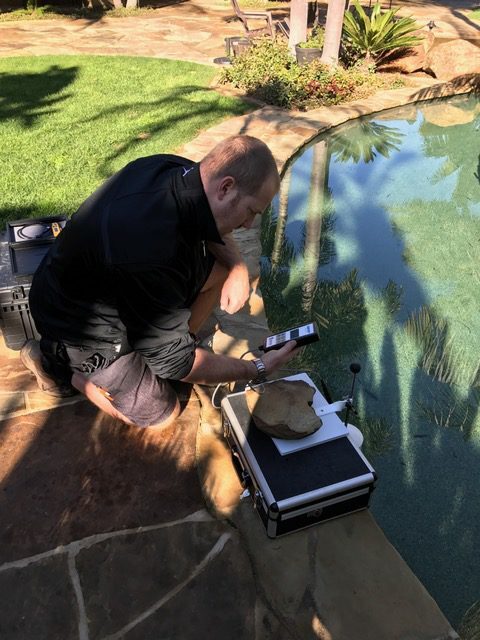
Commercial pools also have unique leak points that residential pools do not. Heater connections, automated chemical feeders, and the larger pumps used in commercial systems each have seals and gaskets that can fail over time. A thorough inspection includes checking every component in the equipment pad.
Why Routine Inspections Matter for Commercial Pools
A small leak in a commercial pool is not just a water waste issue. It affects operating costs in several ways. The pool loses treated water, so the facility must add more fresh water and more chemicals to rebalance the chemistry. Over a month, that can add hundreds of dollars to the chemical bill. If the leak is in the plumbing network, the pump may run longer to maintain pressure, increasing electricity use. And if the leak is underground, it can erode the soil beneath the pool deck or the building itself, leading to structural damage that is far more expensive to repair than the original leak.
For a facility manager, keeping an inspection record is a practical habit. A log of water meter readings, chemical usage, and any repairs helps spot trends. If the water consumption spikes one month, the record points to a problem that might otherwise be dismissed as a seasonal change. Regular checks also help extend the life of the pool's equipment. A pump that runs with air in the line because of a suction-side leak can cavitate, damaging the impeller. Catching that early saves a pump replacement.
Another reason to stay on top of leaks is safety. A leak in the pool shell can create a trip hazard if the deck settles unevenly. On the plumbing side, a leak near an electrical junction can be a shock risk. A professional commercial pool leak inspection addresses both safety and efficiency in one visit.
What to Look for Between Professional Inspections
Even without special tools, facility staff can monitor for signs of a leak. The simplest check is the bucket test. Mark the water level inside the pool and the level inside a bucket of pool water left on the deck. After 24 hours of normal pump operation, compare the two. If the pool level dropped more than the bucket level, there is a leak somewhere in the system. This test does not pinpoint the source, but it confirms that a problem exists.
Other signs include air bubbles returning to the pool through the return jets, which suggest a suction-side leak. Cracks in the pool shell or around fittings should be noted and monitored. A sudden rise in chemical use or a drop in water meter readings that does not match the pool's usage pattern also warrants attention.

If you notice any of these signs, a professional commercial pool leak detection service can provide the specialized equipment and experience to find the exact leak. One option for facility managers in the San Diego area is Swim Care Pool Services, which offers leak detection for commercial and residential pools. They can help diagnose the issue and recommend the right repair approach without unnecessary excavation.
The Difference Between Commercial and Residential Leak Detection
The methods used for a commercial pool leak inspection are similar in principle to those used for a residential pool, but the scale and complexity are different. A commercial pool may have multiple pumps, a large filter bank, a heater, a chemical controller, and a separate circulation loop for a spa or water feature. The plumbing network is often buried under concrete or decking, making access harder. The volume of water is much larger, so a small leak can be harder to detect by sight or sound alone.
Commercial leak detection also requires specialized tools. Pressure gauges and test plugs for larger pipes, listening devices designed for concrete pools, and gas detectors that can find leaks in buried lines are standard equipment for a technician. The inspection itself may take several hours, especially if the leak is in a hard-to-reach section of the plumbing.
For the facility manager, the main difference is the cost of inaction. A residential pool owner might tolerate a small leak for a few days. A commercial pool cannot afford that luxury. The higher operating costs, the risk of structural damage, and the potential for shutdown mean that a quick response is always the better choice.
When to Schedule a Leak Inspection
There is no one-size-fits-all schedule for commercial pool leak inspections. A good rule of thumb is to have a professional check the system at least once a year, ideally before the heavy-use season begins. If the pool has had recent repairs, a check after the work is completed ensures no new leaks were introduced. And of course, any time the water consumption jumps or the pool loses more than a quarter-inch of water per day, it is time to call for an inspection.

Facility managers who keep a close eye on their pool's water meter and chemical usage will notice problems early. That early notice is what saves money and prevents bigger repairs down the line. For those who want a reliable partner in that effort, Swim Care Pool Services provides specialized leak detection for both residential and commercial swimming pools, spas, and related plumbing in San Diego. Their expertise can help keep the pool running smoothly and the facility's operating costs under control.
Final Thoughts on Commercial Pool Leak Detection
A commercial pool is a major investment in both construction and operation. A leak, if left unchecked, can quietly drain that investment through higher water bills, chemical costs, and equipment wear. A professional commercial pool leak inspection is a straightforward way to protect that investment. By understanding how the inspection works and what to watch for between visits, facility managers can keep their pools in top shape and their budgets on track.